

Some may think—particularly younger Americans—that the controversial removal of undocumented immigrants from the United States is a relatively new phenomenon. It is not. The federal government has been involved in the removal of noncitizens from the United States since the nation’s earliest years, with federal immigration and deportation authority developing through a series of laws beginning in the late 18th century. The Flying Tiger Line actually became involved in transporting deportees as early as 1947, as documented by the story below.
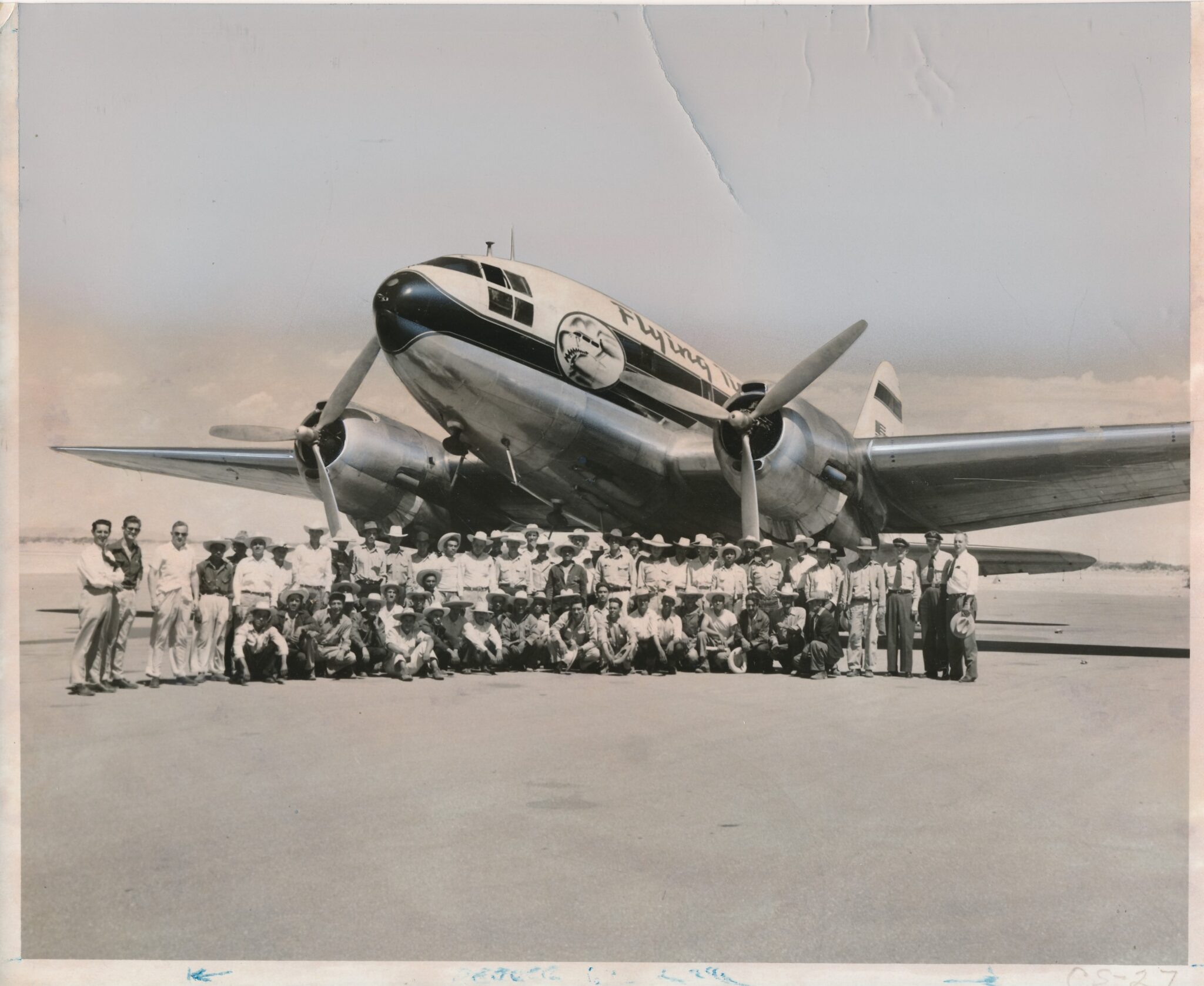
By the early 1950s, the U.S. Immigration and Naturalization Service (INS) was increasingly turning to private aviation contractors, such as FTL, to expedite deportations and transport Mexican nationals farther into the interior of Mexico. Brownsville, Texas became the operations hub, accumulating deportees from cities around the nation and then flying them to Guadalajara and other points south.
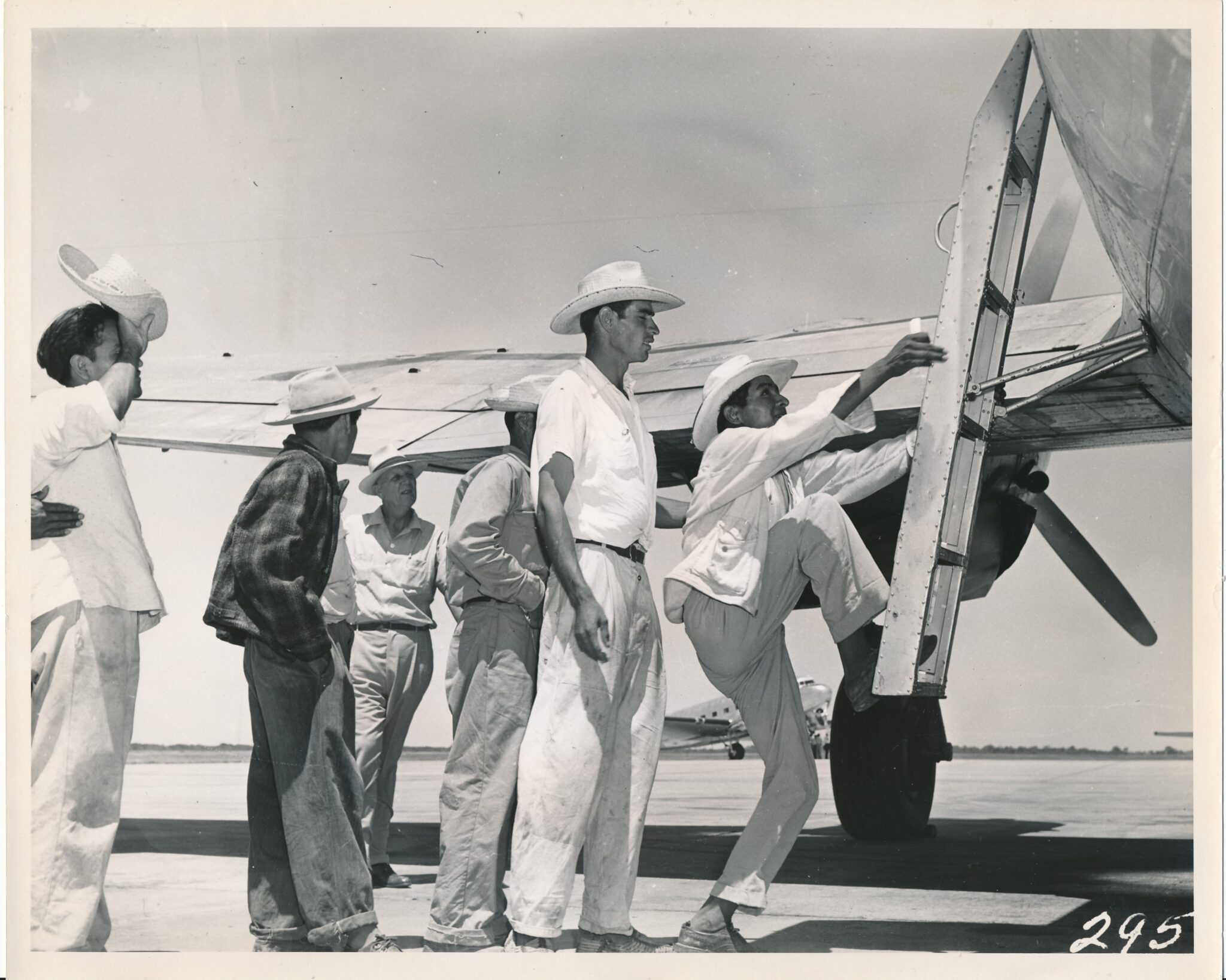
For the INS, air transportation offered an obvious advantage: it was considerably faster than moving large groups of deportees by ground transportation. But there was a significant drawback—the cost. These long-distance charter flights proved expensive for the government, and the INS eventually reduced its reliance on aircraft for large-scale deportations.
Instead, immigration authorities increasingly turned to less expensive transportation methods, including buses operated by Pacific Greyhound to move deportees toward the Mexican border, followed by Mexican rail transportation and other surface methods to carry them farther south. Still, air transportation remains a significant part of immigration-enforcement operations today.
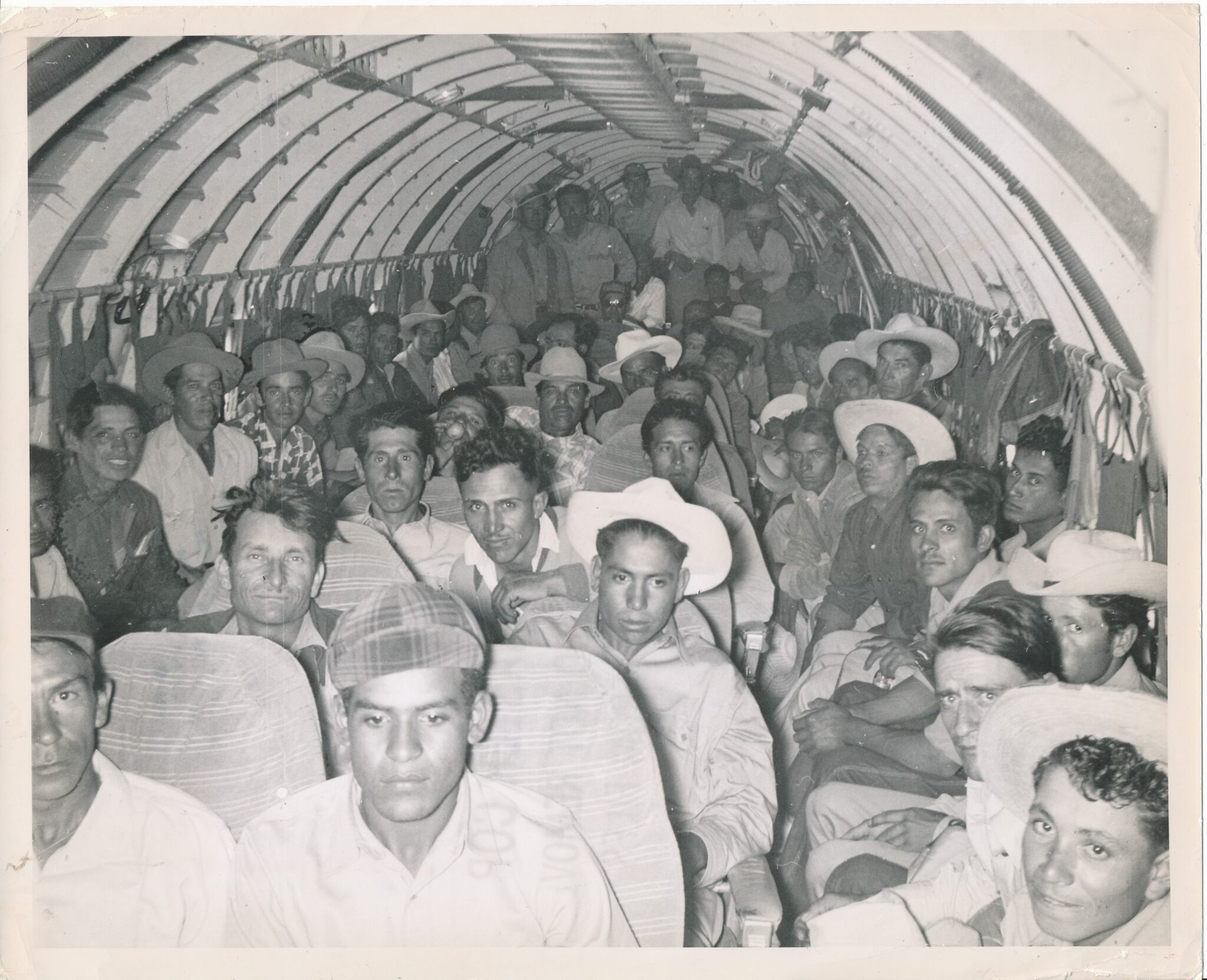
For the Flying Tiger Line, this little-known chapter represents yet another unusual assignment in the airline’s colorful history—and another example of just how literally the Tigers took their famous philosophy: Anything. Anytime. Anywhere.
Back to our story of thwarted plans and heroism by the crew of a Tiger flight in 1947.
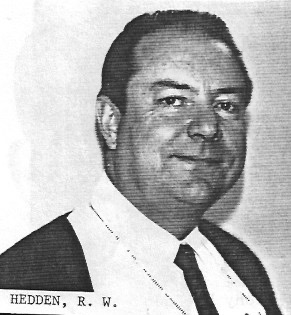
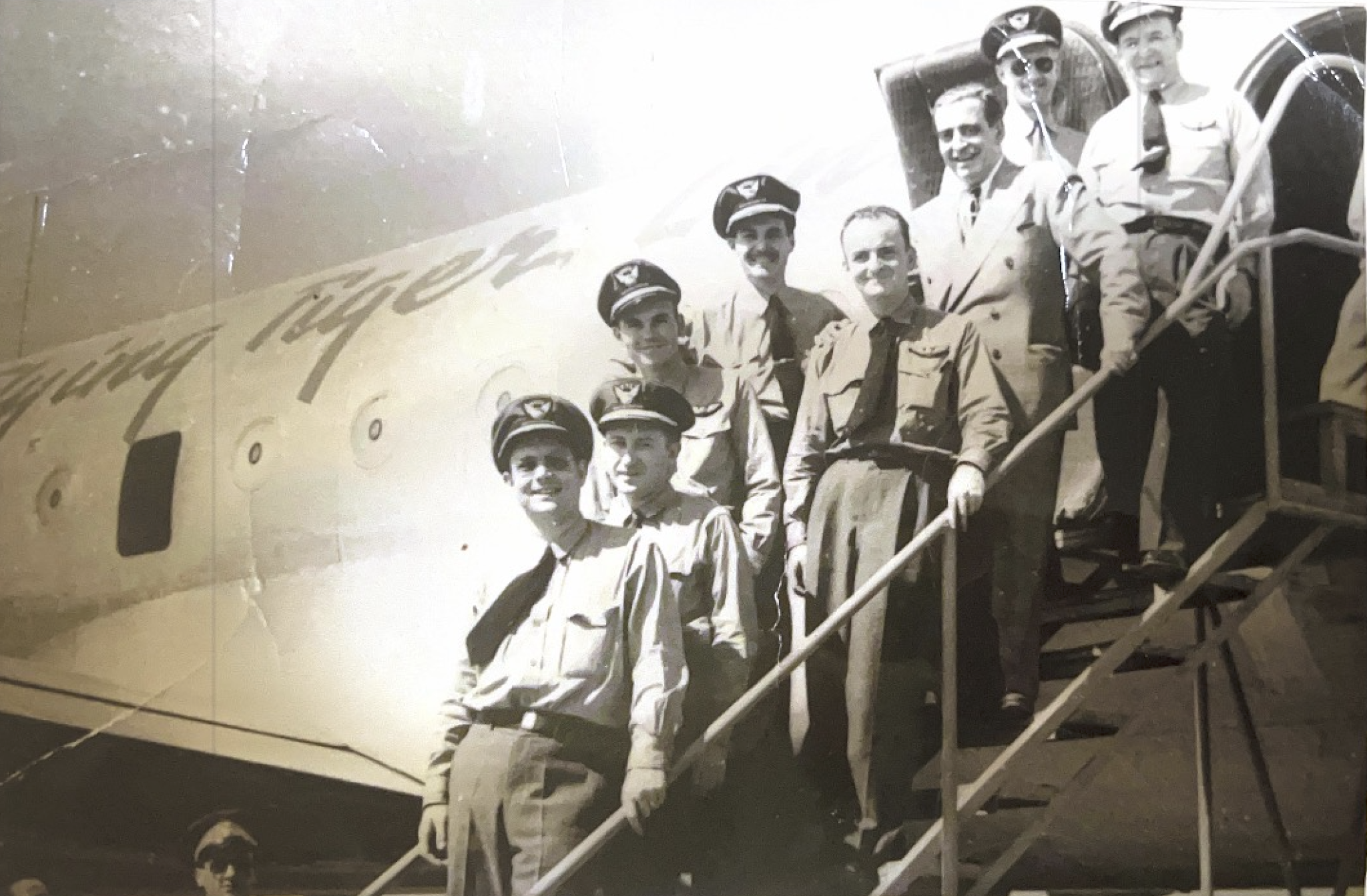
On August 6, 1947 the Flying Tiger Line was contracted to deport thirty-six “undesirable” persons from the U.S. to Sweden, Finland, Norway and Denmark aboard a Douglas C-54 Skymaster, with a scheduled fuel stop in Shannon, Ireland. At the controls were Captain Ralph Hedden, hired by Tigers in early 1946 with five other crewmembers and a purser. Hedden later credited the vigilance of two Norwegian-speaking crew members for over hearing conversations about plans for a violent overpowering of the crew once the plane reached Shannon. The Navigator, Wayne Wising, came to the cockpit and relayed what he knew. Captain Hedden and a purser, both armed with pistols as was customary in those days, guarded the passengers and kept them subdued under armed guard, radioing ahead for police aid in Shannon. Unbelievably, and undoubtably never something that would happen in today’s environment, the Irish police guarded the prisoners during the fueling operation and then allowed the aircraft to take off on the next leg to Oslo, the unruly deportees for the most part having quieted down.
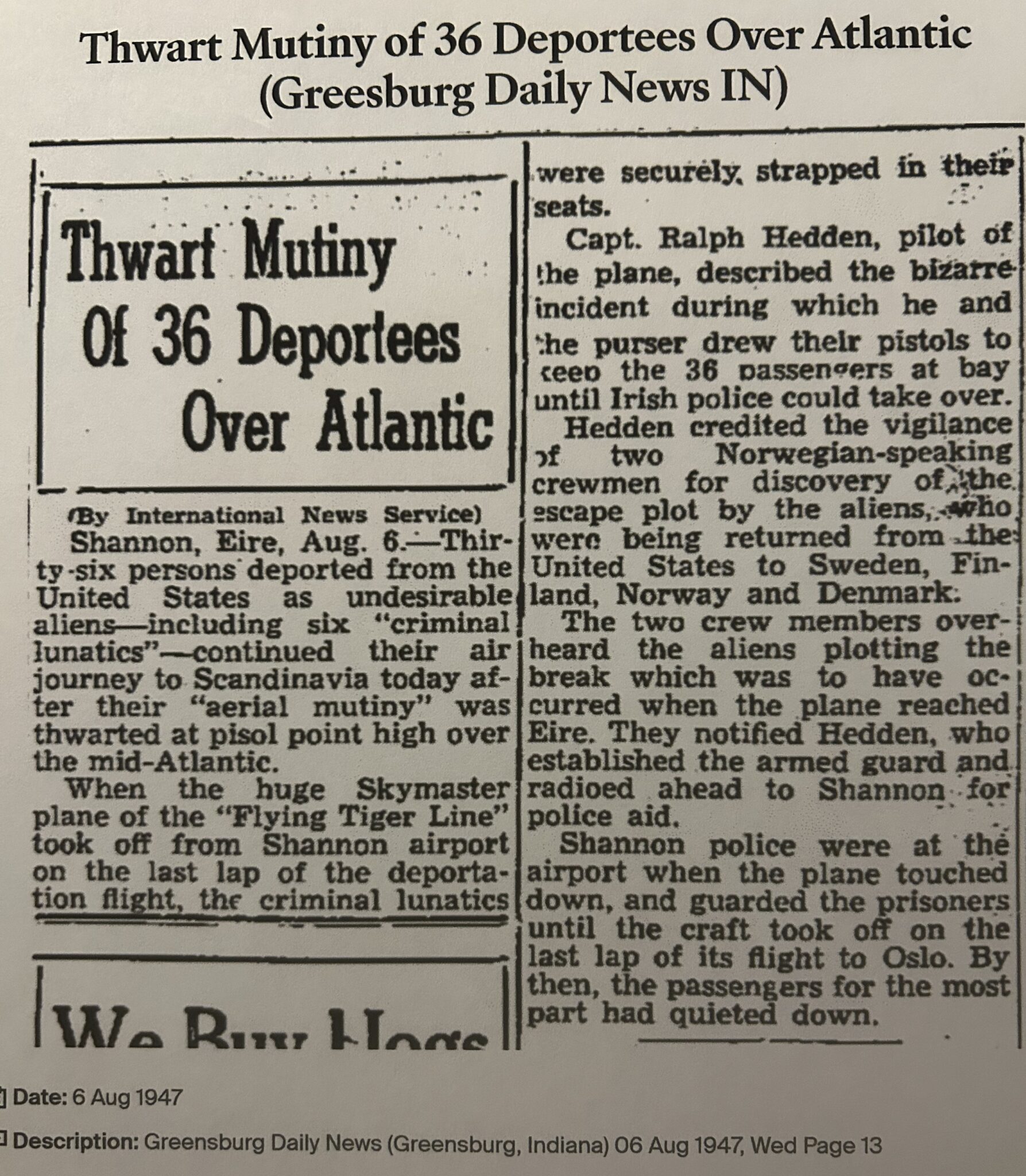
Click on the news article at right to read more details of this flight